
How Much Does a Tarmac Driveway Cost?
It is the first question nearly everyone asks, and the honest answer is that it depends on your driveway. The cost of a tarmac drive is shaped by the size of the area, how much excavation the ground needs, the condition of the sub-base underneath, the drainage and falls, the edging, how easy the site is to reach, and any ironwork set into the surface. This guide explains exactly what moves the figure, and how long a well-laid tarmac driveway should last, so you know precisely what you are paying for before you ever get a quote.
By Jamie Robinson, surfacing contractor · Last updated 10 July 2026
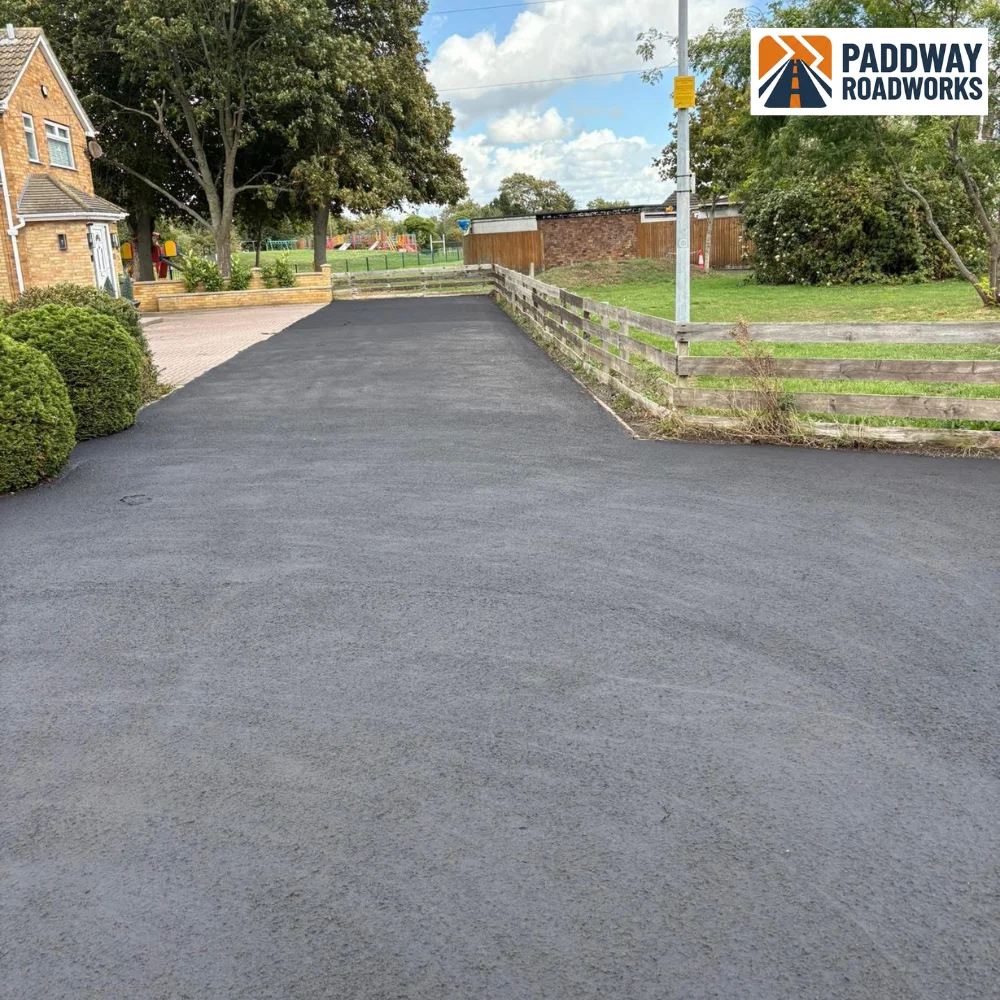
Why a Tarmac Driveway Is Quoted After a Site Survey
Every driveway is different, so an accurate figure comes from an accurate measurement, not a guess down the phone. A small parking space and a long shared drive with awkward access and a failing base are completely different jobs, even though both are "a tarmac driveway". A precise price comes from a surfacing contractor visiting the site, measuring it, checking the levels and drainage, and reading the condition of the ground underneath. That is exactly why every quote from Paddway Surfacing Solutions starts with a free site survey in person, so the figure you are given is the figure you pay, with nothing hidden and nothing left to creep in later.
What Actually Drives the Cost
When Jamie works out a tarmac driveway quote, these are the things that decide the figure.
A bigger drive needs more tarmac, more sub-base and more labour. Curves, tight corners and changes in level add detailing and time compared with a simple rectangle.
Ground that has to be dug out deep, or ground with soft spots and buried obstructions, takes more work and more muck-away than a drive that needs only a shallow dig. The depth is set by the traffic the surface will carry.
Once the ground is opened up, the sub-base is either sound and reusable or needs rebuilding. A drive that needs a full new stone sub-base costs more than one where the base is solid, but the base is what decides how long the surface lasts, so it is never the place to cut short.
Tarmac is a sealed surface, so water has to run somewhere. Setting the correct falls, and adding channel drains or a soakaway where the site needs them, adds to the work but keeps the drive from ponding and undermining itself.
A clean edge, whether a block paving border, a concrete haunch or an existing kerb, holds the tarmac in place and frames the drive. The edge detail is part of the quote.
A drive a machine and tipper can reach easily is quicker to lay than a tight or awkward site where material has to be barrowed in and areas hand-laid.
Manhole covers, gully gratings and inspection chambers all have to be lifted and reset to the finished level. Where a drive has ironwork in it, setting it correctly is part of a proper job.
How Long Does a Tarmac Driveway Last?
This is where a properly built tarmac drive earns its keep. A professionally laid tarmac driveway holds up for 15 to 20 years, and often longer on a drive that only ever carries cars. The surface you see is only part of the story: the sub-base beneath it is what actually decides how many years you get. Tarmac laid thin over a weak or unprepared base can start rutting and cracking within a couple of winters, while the same tarmac laid to the right depth on a compacted stone sub-base, with the water running away cleanly, stays sound for well over a decade. That is why the groundwork, the depth and the drainage matter far more to the lifespan than the tarmac itself, and why cutting the base short to save time is exactly what shortens a driveway's life.
Tarmac, Block Paving or Resin?
Tarmac is not always the right answer, and an honest surfacing contractor will tell you when another surface suits you better. Over a large area, a long drive or a private road, tarmac is usually the quickest and cheapest surface to lay and the toughest under heavy traffic. If you want a wider choice of colour, pattern and border, block paving gives you that, with lift-and-replace repairs. If kerb appeal and drainage matter most, a resin bound driveway is smooth, permeable and available in a range of stone blends. Jamie talks you through all three at the free survey and quotes whichever genuinely suits your property and how the drive will be used, rather than pushing one surface for the sake of it.
How We Quote Your Driveway
Getting an exact figure is simple. Jamie comes out, measures the area, checks the levels, drainage and the state of the ground, and gives you a clear written quote that sets out exactly what is included, from excavation and sub-base to tarmac depths, edging, drainage and ironwork, before any work starts. You will know precisely what is being done, why, and what it costs, with every driveway backed by our 3-year workmanship guarantee. From the first survey to the finished drive, you always know exactly where you stand.
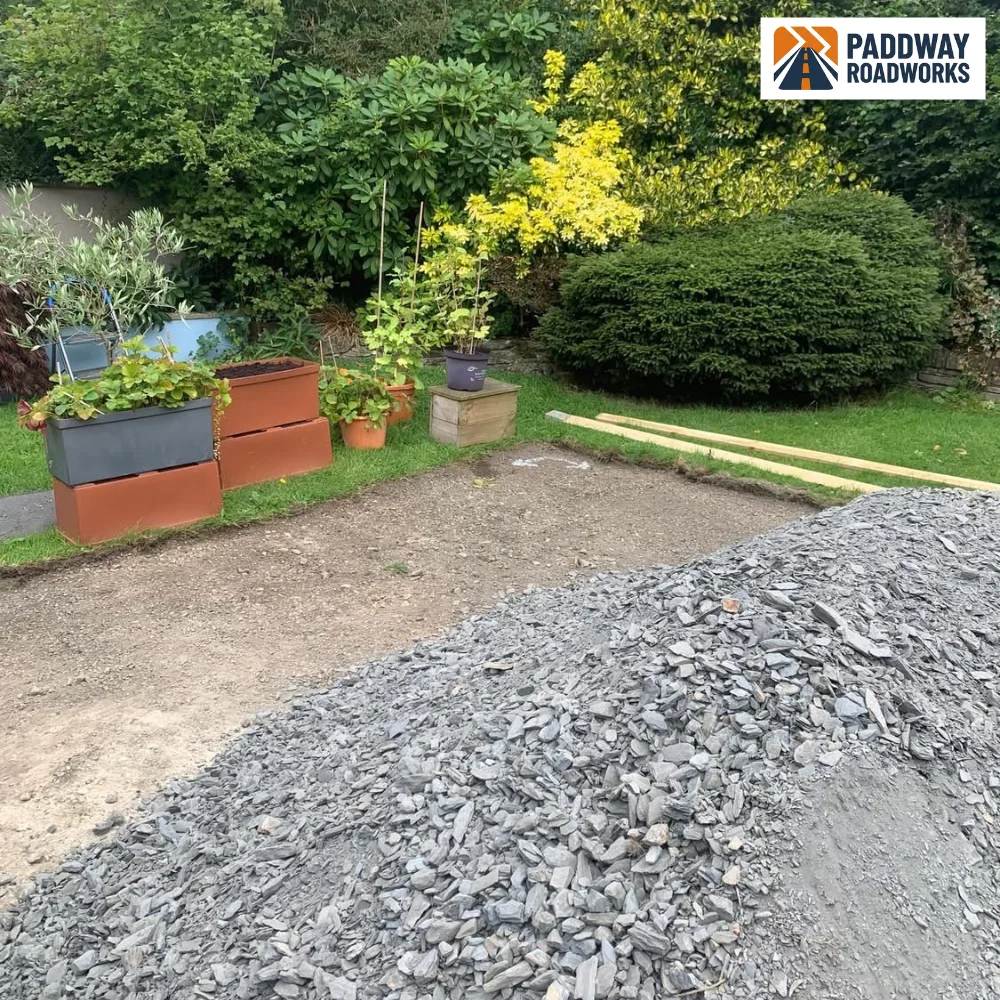
Jamie Robinson
Jamie is the owner of Paddway Surfacing Solutions, a surfacing contractor with 17 years' expertise laying tarmac, block paving and resin bound driveways, plus car park and road surfacing, across Nottinghamshire, Lincolnshire and South Yorkshire.
"The tarmac you see is the easy part. What decides how long a drive lasts is the sub-base and the drainage underneath it."Jamie Robinson, Owner & Surfacing Contractor
Tarmac Driveway Cost: Frequently Asked Questions
How much does a tarmac driveway cost?+
How long does a tarmac driveway last?+
What makes one tarmac driveway cost more than another?+
Is tarmac cheaper than block paving or resin?+
Can you lay tarmac over an existing driveway?+
Get an Exact Quote for Your Tarmac Driveway
Ready to find out what your driveway actually costs? Get expert advice and a clear written quote from a surfacing contractor with 17 years' expertise, with every driveway backed by our 3-year workmanship guarantee. Explore tarmac driveways and surfacing, or compare the alternatives with block paving and resin bound driveways.
Last updated: 10 July 2026